How to Stop Repeating Relationship Patterns After a Breakup

When we start dating again after a breakup/divorce, unresolved feelings from our past will come up. I like to think of them as lingering “ghosts” that pop up unannounced, but they do give us insights into what we need in our new relationships. As an anxiety therapist in Chicago, IL, I see many clients who want to have different relationships, yet still fall into cycles of self-doubt and self-sabotage.
In this blog, I'm sharing lessons I've learned personally along with what I've witnessed in my work with clients navigating their new normal after a breakup/divorce. We'll explore different aspects of dating, conflict, and emotional intimacy after heartbreak with reflection questions to help you better understand yourself, your patterns, and the kind of relationship you want to build moving forward.
What I've found, both personally and professionally, is that the conflicts showing up in your new relationship are rarely just about your new partner. They're about the patterns, wounds, and survival responses you've been carrying for years, and whether you're ready to do something different with them.
If you’re finding yourself stuck in cycles of anxiety, people-pleasing, self-doubt, or repeating familiar relationship dynamics, you’re not alone. Healing doesn’t just come from finding a different partner. It also comes from learning how to respond differently to yourself and to others.
Save this blog for later or send it to someone going through a breakup/divorce who may need support and reassurance right now. And if you’re looking for deeper support in navigating anxiety, relationship patterns, or dating after heartbreak, feel free to reach out for a free 15-minute consultation to see if working together feels like a good fit.
The Relationship Patterns You Learned Growing Up
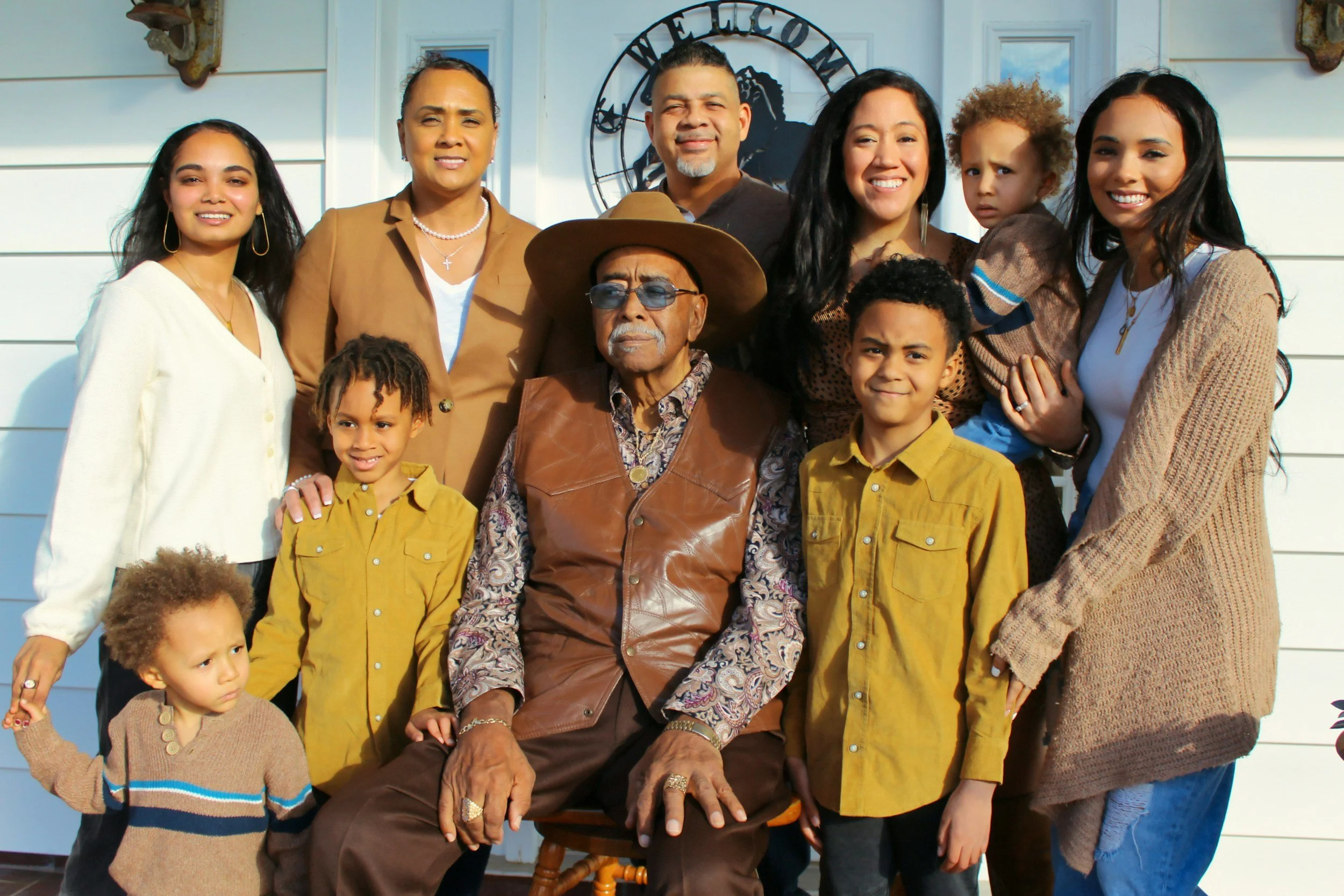
When you get into a conflict with your partner, you know the ones…where you’re trying to argue and prove that your point is right and theirs is wrong. Do you ever wonder why you and your partner seem to get stuck in similar patterns or behaviors? You both go around and around until you’re emotionally exhausted, or maybe you avoid any conflict altogether because it drags on for so long?
Here’s something that may surprise you. You’re not just arguing with your partner. You’re arguing with a ghost of your past.
This can look like reacting to a family member you’ve fought with over and over throughout your life, or previous “toxic” romantic relationships. Keeping your mouth shut and people-pleasing may have kept you safe back then, but it only adds to a wall of resentment with your partner now. In their book, Ten Lessons to Transform Your Marriage, Dr. John, Dr. Julie Schwartz Gottman, and Joan DeClaire go on to explain, “For anger to be useful, however, you must be willing to express it and respond to it openly. And that can be a real challenge, especially if you experience anger as frightening, destructive, or out of control” (Gottman, J.M., Gottman, J.S., DeClaire, J., 2006, p. 210).
Old dynamics, emotional wounds, and survival responses often quietly surface in new relationships, especially during moments of stress, vulnerability, and conflict. The more aware we become of the younger versions of ourselves that emerge during conflict, the more we can respond to them with empathy and compassion. And when we learn to do that for ourselves, it becomes easier to extend that same compassion to our partners, too.
Questions to consider:
When in conflict with your partner, what are some of the physical triggers happening inside your body? (i.e., shorter breaths, rapid heartbeats, sweating, shaking, etc.)
How are you reacting and responding to your partner? Are you shutting down or numbing out? Arguing? Or trying to appease them? Leaving the situation?
If you were to take a few deep breaths and pause, who are you ACTUALLY arguing with? (i.e., mom, dad, past partner?)
What familiar patterns of behavior have you learned growing up when you’re feeling angry, stressed, or in an argument?
Who did you learn it from?
Do you see a problem with it now when you’re in a conflict with your partner?
Seeing Your Partner Beyond the Conflict

What would happen if arguments didn’t escalate to either you or your partner shutting down? Shouting is often a sign that someone’s nervous system has become overwhelmed. Shutting down or numbing out is the way your body is telling you that you do not feel safe. Your partner is most likely reacting to you from a younger, wounded version of themselves. They are in survival mode and most likely repeating a similar experience that they had with someone from their past.
Get curious. Pause. Don’t attack.
It’s easy to build a mental caricature of your partner in your head - idealized or villainized and then argue with that version in real life. Dr. John, Dr. Julie Schwartz Gottman, and Joan DeClaire explain this concept as, “‘negative sentiment override,’ where your bad thoughts about your partner and relationship overwhelm and override any positive thoughts about them” (Gottman, J.M., Gottman, J.S., DeClaire, J., 2006, p. 25).
Show some compassion for yourself when you’re about to say something that could escalate the conflict. As the Gottmans and DeClaire go on to explain, “If we can learn to use anger constructively, it can inspire us to make positive changes on our own behalf - to try harder, to fight for what’s fair, and to communicate more passionately. We can use anger to italicize our language so that other people can hear and understand how strongly we feel about an issue.” (Gottman, J.M., Gottman, J.S., DeClaire, J., 2006, p. 210). We can learn a great deal once we understand why they and their uncomfortable emotions (i.e., anger, resentment, guilt, shame, etc.) show up in the first place. Because at the end of the day, those problems, emotions, and thoughts will continue to evolve over time as life brings on new changes.
Ask yourself: Does your relationship feel safe enough for you to be emotionally vulnerable? If not, do you and your partner take into account that we both need to stretch a little to learn active listening and communication skills?
Questions to consider:
What is the need and/or want that you’re hearing your partner ask for when in conflict?
What are yours?
How do they respond when they become stressed?
Alternatively, what gets kicked up inside you when their stress shows up?
Are you open to seeing your partner show their emotions, and vice versa? If not, why do you think that is?
Learning How to Slow Down Conflict
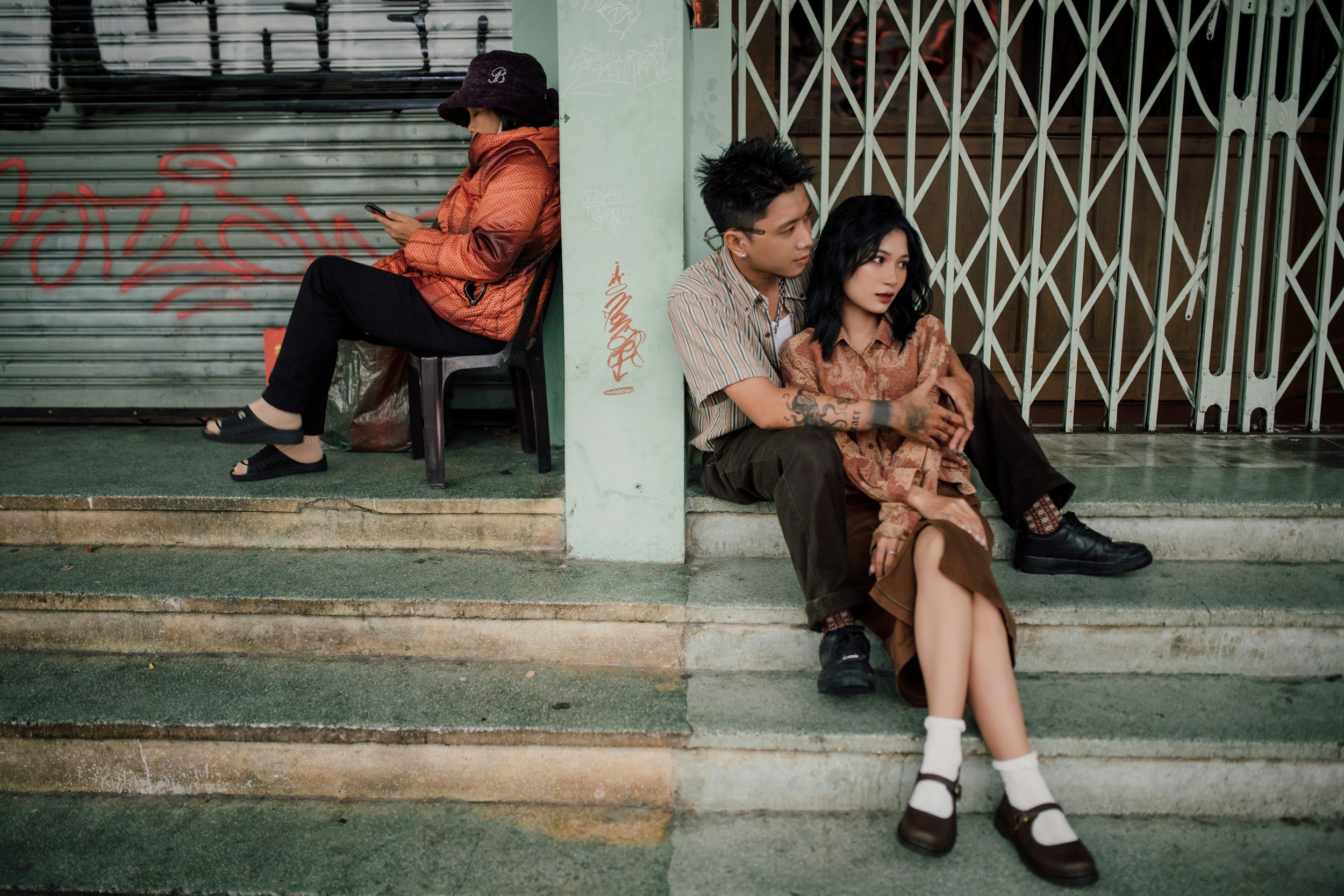
You have already heard about how mindfulness can help us slow down our racing minds to feel calmer. In moments of heated conflict, notice your breath and how it moves through your body. Yes, just notice it. Your mind and body learned a long time ago how to protect you from emotional danger.
When you begin to notice how you’re feeling, such as the racing thoughts, heart rate changes, or making short, frazzled comments, the conflicts will begin to feel less and less intense. That means when you respond differently, you get a different outcome and less time spent in a tense argument with your partner.
When you combine that with going to therapy, you unlearn the unhealthy behavioral patterns from your past and create opportunities to relearn a new way to be with yourself and your partner. Next time your partner feels angry, if they are open to it, reach out and let them know that you are physically and emotionally present. It can be a simple shoulder-to-shoulder touch. Ask for permission and sit together in silence. Better yet, talk about it with one another when you’re both not highly emotional.
Esther Perel, author of the book Mating in Captivity, mentioned, “When we value only what is disclosed through words, we do ourselves a disservice. At a time when we could use just about any way to connect, we need to honor and recognize the many ways we can reach out and touch someone” (Perel, 2006, p.52).
I’ve seen that happen firsthand in my own relationship and with my clients. It’s amazing how, when we begin to change our reactions to triggering situations, it creates a ripple effect in how we perceive others around us. That, in turn, can be a catalyst for our partner as well. This is not new information. What I want you to take away from this blog is to reflect on the questions and make them applicable to your life.
Questions to consider:
Are we keeping tallies on who’s winning or losing when we are in conflict?
Is your partner open and committed to learning a new way of communicating with you about what they’re noticing in themselves and how conflicts unfold in your relationship?
Are you both making an intentional effort to reach out to each other for support?
I’d like to paint a visual for you. Imagine your initial reactions, responses, behaviors as a paved pathway that has had years (or decades) of use. In those moments, when you are experiencing a particularly triggering event, and the first reaction you have is to either run away, freeze, numb out, or fight, practice intentionally slowing down. Remember that you are creating a new pathway. In doing so, you are choosing a different way to be in a relationship with your partner.
Where the Real Work Begins

There was a phrase that came to mind in a recent client session: "villify to humanize."
When the people we love most, including our parents, family members, friends, and past partners who have hurt us, it's natural to make them the villain in our story. It's a protective mechanism that makes sure we don’t get hurt again. But it can also keep us stuck because it flattens them into caricatures in our minds rather than allowing us to see them as complex, hurting people, too.
Most clients who come into therapy are carrying years of pent-up anger, resentment, sadness, and grief. And that anger deserves space first. I've had clients who needed to rage, really rage, about what was done to them before anything else could move. That release isn't destructive. It's often where the real work begins. We all need to be mindful of how we can be the target, victim, and perpetrator of our emotional reactions if the rage goes unchecked.
From there, something shifts. The rage starts to clarify when they can understand what they actually needed, but didn't get from their important relationship, whether that’s from a parent(s), an ex-partner(s), a friend(s), etc. Grief, shame, and guilt often go hand-in-hand when we begin to unravel clients’ experiences of anger. Then comes the harder part: communicating those boundaries to the person who hurt them, and accepting that person's response without expecting them to change. Because the goal isn't to fix the other person. It's about rebuilding a relationship with or without them that actually works for you.
Remember that your partner should not be paying the sins of another person, especially if they did not directly cause harm to you. As a well-known saying goes, “Hurt people, hurt people.” We all deserve compassion, patience, and understanding in the context of explosive anger and hurt from our past. I would suggest being curious and compassionate to ourselves when our emotions feel so intense.
Play, Safety, and Your Inner Child in Relationships

Healthy relationships are not just built through conflict resolution. They are also built through play, curiosity, emotional safety, affection, and shared joy. Some people were taught that anger and conflict are unsafe emotions to have as they grew up. As adults, those learned responses were adapted to keep us safe. Unfortunately, those behaviors and responses can backfire when we are in a new relationship.
The Gottmans and DeClaire emphasize that when you “[Keep] a lid on your anger [it] creates distance in a relationship, and that makes it hard to have fun together, to take risks emotionally and physically, and to enjoy sex. But if you use your anger to stand up for what you need, you gain self-respect, which is an important part of feeling free to express sexual feelings” (Gottman, J.M., Gottman, J.S., DeClaire, J., 2006, p. 199).
Esther Perel (2006) adds how, “Aggression is the shadow side of love. It is also an intrinsic component of sexuality, and it can never be entirely excised from sexual relationships” (69).
To say it simply, anger + conflict + communication to understand = deeper connection with our partner.So if you’re trying to have a different relationship with your partner, don’t be afraid of conflict. Lean into it. The safer we feel, the more opportunities for us to play with our partners in and out of the bedroom.
Questions to consider:
What version(s) of yourself come out when you’re with your partner? How do you feel about what comes out?
How would you and your partner describe your current emotional and sexual relationship?
After conflict, do you and your partner reconnect emotionally before becoming physical, or does sex become a way to close the chapter without fully processing what happened?
If you and your partner have different expectations around sex, have you been able to talk about it directly?
Could that disconnection be pointing to something emotional that hasn't been said yet?
Do you know what makes them feel loved by you?
Are you making time to slow down, play, and be present with your partner, despite the busyness of life?
Remember that you’re aiming to have a different relationship with your chosen person.
You’re here because you want to be more aware of your toxic traits and not repeat them in this new relationship.
You get to choose the type of partner you want to be.
You are setting up the model for your kids (and future generations) on how to be in relationships with themselves and with others.
Conflicts with our partners don’t have to tear each other apart.
Anger, fear, shame, and guilt should not be used as a way to control others.
You are slowing down and ending the intergenerational trauma.
Next Steps
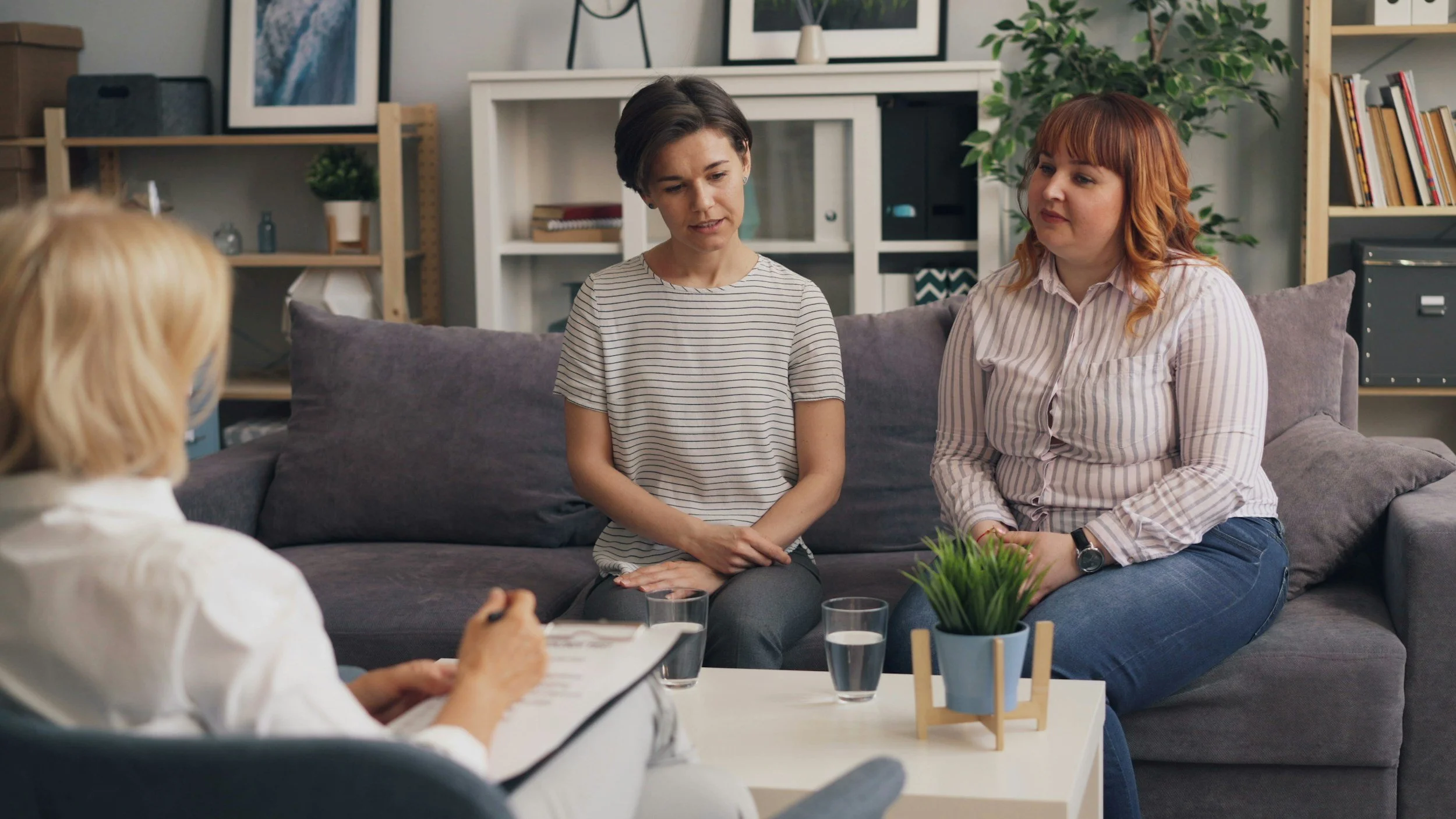
Taking that first step toward understanding your relationship patterns can help you build healthier, more fulfilling connections with your partner and the people who matter most.
If you've gone through a breakup or divorce and are noticing increased anger, conflict, or anxiety in your current relationship, therapy can help you better understand the patterns driving these challenges. As an anxiety therapist in Chicago, IL, I help adults build healthier relationships with themselves and their partners. Click the link below to schedule your free 15-minute Zoom consultation.
Book References:
Perel, E. (2006). Mating in Captivity: Unlocking Erotic Intelligence. HarperCollins.
Gottman, J.M., Gottman, J.S., DeClaire, J. (2006). Ten lessons to transform your marriage: America's love lab experts share their strategies for strengthening your relationship. Three Rivers Press.
If this resonates with you, you may also enjoy these related articles: